
التضامن الاجتماعي تنظم برنامجا تدريبيا متخصصا لفريق وحدة إدارة الحالة والعاملين بالبيوت الصغيرة
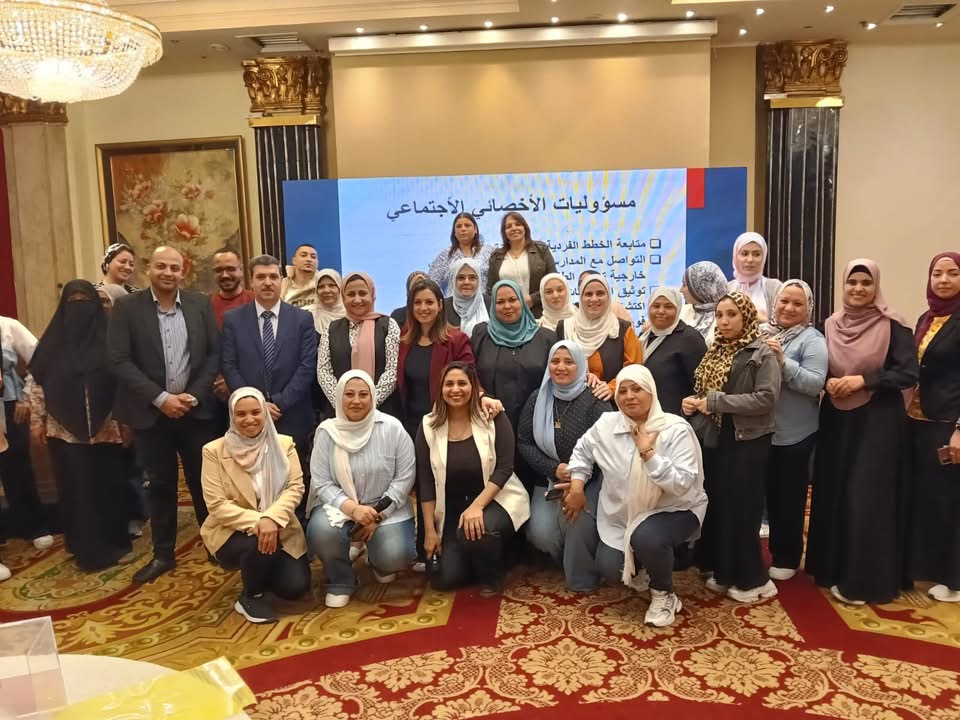
الاثنين 11 مايو, 2026نظمت وزارة التضامن الاجتماعي تحت رعاية الدكتورة مايا مرسي وزيرة التضامن الاجتماعي برنامجا تدريبيا متخصصا لفريق وحدة إدارة الحالة والعاملين بالبيوت الصغيرة، وذلك في إطار جهود الوزارة لتعزيز سياسات حماية الطفل داخل منظومة الرعاية البديلة والتي منها البيوت الصغيرة باعتبارها إحدى أشكال الرعاية البديلة .
وشهد افتتاح أعمال البرنامج حضور المستشار أحمد سناء خليل المستشار القانوني، والأستاذ محمد عبد الباسط مسئول الدعم القانونى بوحدة إدارة الحالة المركزية، والأستاذ صبري عثمان مدير الإدارة العامة لخط نجدة الطفل بالمجلس القومي للطفولة والأمومة، والأستاذة مروة عبد الحميد مديرة إدارة الحالة بوزارة التضامن الاجتماعي، والأستاذ ياسر عبد الهادي وكيل مديرية التضامن الاجتماعى بالقاهرة ، وذلك بمشاركة الأخصائيين النفسيين والاجتماعيين بوحدات إدارة الحالة والقائمين على إدارة وتشغيل البيوت الصغيرة فى 12 بيتًا صغيرًا بمحافظة القاهرة.
واستهدف البرنامج التدريبي الذى نفذته وحدة ادارة الحالة بالإدارة المركزية للرعاية العاملين بالبيوت الصغيرة، حيث يستهدف رفع كفاءة الكوادر العاملة داخل منظومة الرعاية البديلة وتعزيز قدراتهم في تطبيق معايير وسياسات حماية الطفل وفق أحدث النظم المهنية، بما يسهم في ترسيخ منظومة الحماية والرعاية المتكاملة داخل البيوت الصغيرة، ويضمن تقديم خدمات أكثر مهنية واستدامة.
تناول التدريب، على مدى أيام عمله عددًا من المحاور الأساسية، في مقدمتها سياسة حماية الطفل وآليات تطبيقها وتنفيذها داخل البيوت الصغيرة، لضمان توفير الحماية اللازمة للأطفال المقيمين بهذه البيوت.
كذلك تناول التدريب التعريف بمفهوم الإساءة وأنواعها المختلفة، سواء الجسدية أو النفسية أو الإهمال أو الاستغلال، وسبل التعامل المهني مع حالات الأطفال المعرضين للخطر.
كما تطرق التدريب إلى الإطار التشريعي المنظم للعمل، من خلال شرح قانون الطفل المصري، واستعراض اتفاقية حقوق الطفل الصادرة عن الأمم المتحدة، بما يعزز وعي المشاركين بالحقوق الأساسية للأطفال ومعايير الحماية الدولية.
ويأتي تنظيم هذا التدريب الذى نظمته وحدة إدارة الحالة في إطار اهتمام وزارة التضامن الاجتماعي بتطوير منظومة الرعاية البديلة، حيث تتبنى الوزارة نموذج "البيوت الصغيرة" بهدف توفير بيئة أقرب للنمط الأسري وأكثر استقرارًا للأطفال.
وتهدف هذه البيوت إلى تقديم حزمة متكاملة من الخدمات تشمل الإعاشة والرعاية الصحية والتعليمية والنفسية والتأهيلية، بما يسهم في تنمية الأطفال على المستويات الوجدانية والمعرفية والسلوكية، مع العمل على إعادة دمجهم في أسرهم الطبيعية أو البديلة وفقًا لمبدأ المصلحة الفضلى للطفل.
وينظم عمل البيوت الصغيرة أطر تنظيمية تشمل لوائح داخلية ومدونات سلوك مهني وميثاقًا أخلاقيًا، تحت إشراف كوادر من الأخصائيين الاجتماعيين والنفسيين والتربويين.
وتستقبل هذه البيوت الأطفال الأيتام وكريمي النسب، والأطفال المعرضين للخطر لتوفير سبل الرعاية.
ويأتي عمل وحدة إدارة الحالة وتنفيذ هذا التدريب كإحدي سبل التعاون في مشروع حماية الطفل بالتعاون مع منظمة الأمم المتحدة للطفولة (اليونيسف).
Under the Patronage of Dr. Maya Morsy
Ministry of Social Solidarity Organizes Specialized Training Program for Case Management Unit Teams and Small Group Homes Staff
Under the patronage of Dr. Maya Morsy, the Ministry of Social Solidarity organized a specialized training program for the Case Management Unit team and staff working in small group homes, as part of the Ministry’s efforts to strengthen child protection policies within the alternative care system, including small group homes as one of the alternative care models.
The opening session of the program was attended by Counselor Ahmed Sanaa Khalil, Legal Advisor; Mr. Mohamed Abdel Baset, Legal Support Officer at the Central Case Management Unit; Mr. Sabry Othman, Director General of the Child Helpline at the National Council for Childhood and Motherhood; Ms. Marwa Abdel Hamid, Director of Case Management at the Ministry of Social Solidarity; and Mr. Yasser Abdel Hady, Deputy Director of Cairo Directorate of Social Solidarity. The program was attended by psychologists and social workers from case management units, as well as staff responsible for managing and operating 12 small group homes in Cairo Governorate.
The training program, implemented by the Case Management Unit under the Central Administration for Care, aimed to enhance the efficiency of professionals working within the alternative care system and strengthen their capacities in applying child protection standards and policies according to the latest professional practices. This contributes to reinforcing integrated protection and care systems within small group homes and ensuring the delivery of more professional and sustainable services.
Throughout the training days, participants covered several key topics, foremost among them child protection policies and mechanisms for implementing them within small group homes to ensure the necessary protection for children residing in these facilities.
The training also addressed the concept of abuse and its different forms, including physical and psychological abuse, neglect, and exploitation, as well as professional approaches for dealing with children at risk.
In addition, the program reviewed the legislative framework governing the field, including the Egyptian Child Law and the United Nations Convention on the Rights of the Child, in order to enhance participants’ awareness of children’s fundamental rights and international protection standards.
The organization of this training by the Case Management Unit comes within the framework of the Ministry of Social Solidarity’s commitment to developing the alternative care system. The Ministry adopts the “small group homes” model to provide children with a more family-like and stable environment.
These homes aim to provide a comprehensive package of services, including accommodation, healthcare, education, psychological support, and rehabilitation services, contributing to children’s emotional, cognitive, and behavioral development, while also supporting their reintegration into their biological or alternative families in accordance with the principle of the child’s best interest.
The operation of small group homes is governed by organizational frameworks that include internal regulations, professional codes of conduct, and ethical charters, under the supervision of social, psychological, and educational specialists.
These homes receive orphans, children of unknown parentage, and children at risk in order to provide them with the necessary care and protection.
The work of the Case Management Unit and the implementation of this training program come as part of the Child Protection Project carried out in cooperation with UNICEF.